


01
Understand before I type
The problem, the users, the constraints. The right architecture is far cheaper than the wrong one rewritten under a deadline.
Mobile engineer · Team lead @ Wafer Electronics & The Grit City
Mobile Engineer and Team Lead at Wafer Electronics and The Grit City, building products with a focus on performance, simplicity, and great user experiences.

It started with hardware, building an Arduino-powered motorbike with a GSM kill switch and remote start, a Raspberry Pi “smart truck” capable of lane and traffic sign detection using OpenCV, and a smart home powered by ESP32. Building physical systems taught me an important lesson early: shipping something useful always beats building something clever.
While pursuing my B.E. in Computer Science, I began my professional career in my third year after securing an on-site internship at SJ Innovation, where I gained hands-on experience working on real-world software projects and development workflows.
I later interned at Comsoft Technologies, where I built an e-commerce application, a COVID-19 memorial website, and several other web applications. Those experiences gave me the opportunity to work with production code, collaborate with teams, and turn ideas into products long before graduating in 2022.
Hive works completely offline, with no internet or mobile data required. It can record attendance for a class of over 60 students in under 10 seconds using Bluetooth, runs reliably on devices that are up to six years old, and is optimized to deliver a consistently smooth user experience.
“A demo only has to work once. Real software has to work every time.”
From the first wireframe to a monitored production release: app, backend, dashboard, and embedded hardware.
iOS & Android from one codebase. Hive, FernPDF, and client apps (dating, fitness, community) shipped to both stores with CI/CD and over-the-air updates when a hotfix can't wait for review.
The parts that break the 'just use RN' promise: Bluetooth LE attendance, on-device ML text recognition, Skia rendering, native modules, and the platform quirks that only show up in production.
Firebase Cloud Functions, Firestore, and Node microservices behind the apps: courses, attendance, assessments, report-card generation. Plus the React/TypeScript dashboards on top, like the Hive admin console staff run the platform from.
Mixpanel, Google Analytics, and UXCam wired in before launch, not bolted on after. An event taxonomy that survives a redesign, funnels that show where people actually stop, and session replay for the bugs no crash report ever catches. Shipping is the easy half; knowing what happened next is the half that moves the roadmap.
App, backend, and dashboard designed as one system, with typed contracts and module boundaries that keep it moving as the codebase and the team grow.
ESP32 + HomeKit, Zigbee smart-home firmware, Arduino, and Raspberry-Pi computer vision with OpenCV. Where software meets a soldering iron, I'm at home.
Leading Hive end to end: setting direction, reviewing code as teaching, and doing the glue work that gets design, product, and engineering pointed at the same thing.
Featured work
Each of these went out to a store or to the people who paid for it, and I owned it from the first commit to the release notes.
01College campus app · The Grit City
Hive turns a whole college campus into one app: courses and lesson plans, real-time attendance over Bluetooth LE, assessments with auto-generated report cards, events, group messaging, and a 'Buzz' community feed, for students and faculty alike. I lead it end to end: the React Native app on both stores, the Firebase Cloud Functions backend behind it, the React/Vite dashboard staff run it from (with Mixpanel analytics), and the Next.js site that sells it to colleges.
02On-device document scanner · iOS + Android
A one-tap document scanner that reads text on-device with ML Kit. No server, no upload. Built with Expo and React Native Skia for the scan edges and overlays, with recent-docs and stats built in for a fast, tactile capture flow.
03FernPDF — Free Client-Side PDF Tools
FernPDF's web app is a full PDF workbench (merge, split, compress, OCR, fill forms, compare documents, even an AI assistant) that runs 100% in your browser. No file ever leaves the device; everything happens locally with pdf-lib, pdf.js, and a WASM build of qpdf. Next.js, static-exported.
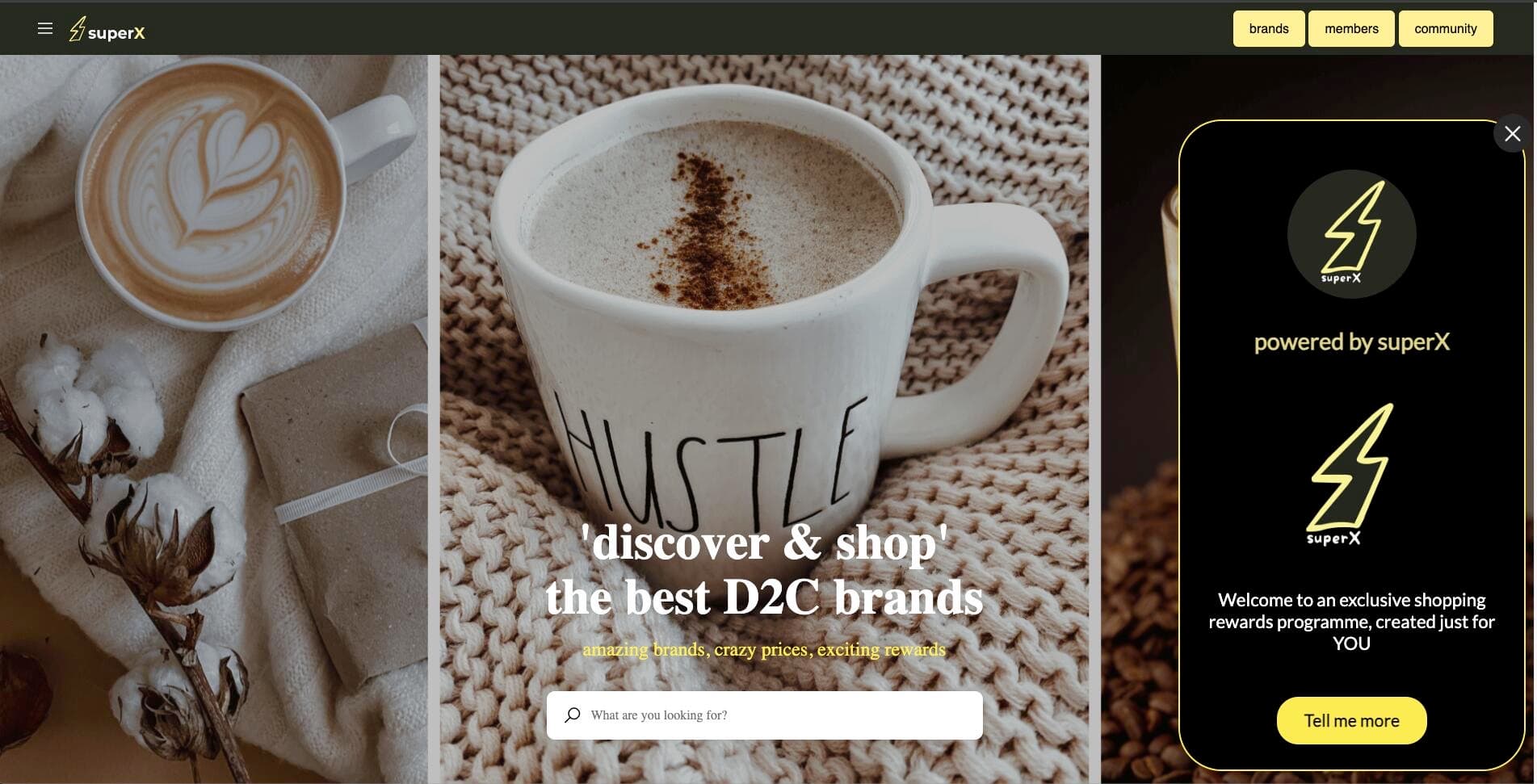
04Brand engagement & offers platform · Wafer Electronics
A brand-engagement platform: an embeddable widget where a brand's customers sign in via OTP and claim offers and campaigns, backed by an admin dashboard where brands build campaigns, generate QR codes, and track redemptions and analytics. I led the build across both the TypeScript widget and the React/Vite dashboard over two-plus years.
Private client work, no public link
05Battery-charger monitoring app · iOS + Android
The companion app for Ultramax battery chargers, with React Native bridging the phone and the charger hardware over Bluetooth LE. It discovers nearby chargers, holds a stable connection to stream live charge data into multi-set graphs, auto-saves logs, and generates full CSV records. A WiFi mode keeps monitoring uninterrupted, and the app smartly drops the BLE link on its own when WiFi takes over.
06Battery SOC monitoring app · iOS
The companion app for Ultramax Galaxy's State-of-Charge Bluetooth battery monitor, and the sibling of the V1000 charger app. It connects to the monitor over BLE, streams live voltage and current into graphs, reads per-battery SOC and temperature across banks of up to four batteries, keeps saved session logs, and hands the device WiFi credentials for firmware updates.
More on the shelf
Earlier apps and client work. Every one of them went to real users.
 Illustration
 Illustration
As team lead on Hive, the best thing I can do is remove the reason the team is stuck. Usually that's a decision no one wants to make, a boundary no one drew, or a piece of code no one wants to touch. Then I go write the hard part myself.
Aligned around one lead
Architecture calls, stack choices, and the handful of standards that keep Hive's app, backend, and dashboard coherent. Written down, not folklore.
Code review as teaching, pairing on the scary parts, and unblocking the team so everyone ships their best work, not just me.
Turning product goals into a plan that design, QA, and engineering actually believe in, so we build one thing well instead of three things halfway.
Speed comes from clarity, not chaos. This is the loop I run on every product.
The problem, the users, the constraints. The right architecture is far cheaper than the wrong one rewritten under a deadline.
Clear module boundaries and typed contracts the whole team can extend without fear of what they'll break three files away.
CI/CD, codegen, and tooling, so people spend their hours on the work that actually needs a human in the loop.
Mixpanel, Google Analytics, and UXCam session replay, alongside crash reporting and performance budgets. You can't improve (or defend) what you don't measure.
Staged rollouts, over-the-air updates, and a rollback plan written before launch. Every release should be a decision, not a gamble.
Chosen for fit, not fashion, and only listed if I've shipped with it.
Studied CS at Girijabai Sail Institute, Karwar, and interned at SJ Innovation and Comsoft Technologies, building e-commerce apps, a COVID-19 memorial site, and an SGPA/CGPA calculator.
Moved into mobile full-time: first production React Native features, and a fast lesson in what 'shipped' really means.
Shipped real apps to the Play Store and TestFlight, including eneamatchmaker (dating), beliveit (fitness), and bug-fixes on a hospital app (epi lite). Then came on board at Wafer Electronics, where the client work has run ever since: Broker Buddy, superX, Excel MRCOG.
Started building Hive for The Grit City, a Wafer Electronics client: the React Native app, the Firebase and Node backend, and the admin dashboard. Shipped it to both stores.
Leading Hive end to end and instrumenting it, so the roadmap argues from Mixpanel and UXCam instead of opinion. Plus FernPDF (web workbench and on-device scanner) and IoT firmware for the fun of it.
Off the clock
Not all of it is code. The workbench, the road, and the people in between.
Let's build
Have a product to ship, a team to lead, or a hard problem worth solving? I'd love to hear about it.